Saturday, September 28, 2013

Learn the Symptoms of Asthma and How to Control It

Asthma can be treated with the proper medication. Millions of people each year are affected by this disease and when treated properly it can be controlled. Asthma is a condition that restricts the airways and can make it difficult for you to breath. What can happen is your chest get tight and it makes it hard to breath normally. It can be best to avoid areas where people are smoking because this can bring on the symptoms of asthma quickly.


You will find that there are many thing that can cause asthma symptoms. You have to be careful during the spring time when so many flowers are in bloom. The pollen gets into the air and if you spend time outdoors it can cause you some issues as well. It is best to try to avoid being around garden areas where the symptoms may get worse. You will eventually learn what your body can tolerate as far as exposure to flowers and other elements that may cause your asthma to flare up.


When you experience an attack and do not have medicine or an inhaler you need to go to your doctor. They can help you by using a breathing machine so that you can reduce the attack. It is so important to make sure that you always are aware of your asthma so when it strikes you know what to do. In some extreme cases you may have to go to the hospital if you have a severe case and the medicine that you take is not working properly.


There is no real cure for asthma so make sure you know how to treat it when it comes on. There have been many advancements when it comes to asthma treatments so make sure that you visit your doctor regularly and see what new medicines are available for you. Asthma may not be a curable disease but you can make the symptoms a lot less when using treatments such as inhalers. It is smart to always bring your inhalers when you are exercising and it can be as simple as being out for a walk. The relief you can get from a few shots can help you breathe and get through a potential attack.


Remember that asthma is no fun at all but using the current medicines and inhalers that are available you can reduce the attacks that you get. Make sure that you and your doctor have a good relationship so that when you need to ask a question about something related to your asthma you feel comfortable calling them. Your health is important and when you learn the symptoms of asthma and how to control them you will be able to live a more normal life.


Get: Free Asthma Remedies. Find: Best Asthma Treatments. Bryan Burbank is an expert in the field of Health and Well Being. Providing quality reviews, articles and writings on asthma online.


What Causes Occupational Asthma?


Some professions can actually cause asthma or, trigger it to make it worse, this is called occupational asthma.

Most jobs locations, especially office and factory professions, have some kind of dust, smells and other fumes, with which you have direct contact or, indirectly, as it may be going through the ventilation or air systems (from one office to another), producingoccupational asthma.


Usually the levels that you breathe in are so minute (small) that you aren’t troubled by it.


This means that if the job location , or your work environment, is the cause of your occupational asthma, your asthmatic conditions will improve if you leave that job, or that at least change your work environment, assuming that you and your doctor have caught and treated it early enough.


However the longer you continue working in the same conditions which are causing the asthma, the more likely you are to continue having asthmatic conditions even after you leave those working conditions and stay away from the dust, smells or fumes.


Unfortunately, most continue with a job in a damaging environment as they have not realized that there is a relationship between their environment and their health, or because it is seemingly very difficult to leave or change jobs. The cost of either is very high,occupational asthma, or other health issues.


When a job or workplace is causing the asthma, co-workers, are also affected.


However if it is just you it could be another cause such as job-related stress rather than any fumes or pollutants.


Wrongly blaming your job for your asthma can have very bad effects.


Why lose your job if it is harmless and didn’t cause your asthma at all?


Also, if people think that the workplace caused asthma, the expense of improving working conditions may mean there will be fewer jobs or in some cases no jobs at all.


In addition, a diagnosis of occupational asthma may reduce your chances of future employment.


However, if your gets better during the weekends, on an extended break, or when you are on vacation, it likely that something at work is the cause of it.


The dust, fumes or allergens in various trades such as bakeries (flour), working with animals, working with pharmaceuticals, craftsmen (especially wood), electronics (soldering), textile dyes (reactive dyes), polyurethane paints and plastic moulding, etc., can be direct causes ofoccupational asthma.


Oddly enough, many substances with a nasty smell don’t seem to cause asthma, even though they can cause allergic reactions in the nose.


If you believe you may have asthma, occupational or not, do not hesitate to speak with your doctor immediately.


Source: Free Articles


About the Author:

Learn More About How You Can Treat and Live with Asthma at www.Asthma-Explained.com


The Environmental Itch

I wonder if the chemicals we pollute our air with have caused more people in the Western world to suffer from more ailments. We see an increase in sensitivities such as with eczema and asthma.


With respect to eczema, I notice that either external factors or internal factors can make me itch.


Food

Yesterday I ate a piece of lotus seed cake. The reaction was very quick. The left hand side of me began to niggle and then the itch soon became intense. So intense that if I did not do something about it, I would have gouged out my eye and dug holes into my skin.


Antihistamine time plus 1 litre of water to dilute whatever toxin was trying to come out plus a cold pack on the itchy areas. I also lay down to calm myself and by the time the itch was over, my head was heavy due to the effects of the antihistamine but at least the itch attack was over.


One reader has reminded me about Liver Detox and I think I will need to schedule this in at some point. Presently I have also been having boils appear all over the body. I thought it might have been shingles but they have been appearing quite dispersed throughout which makes me think my liver and kidney functions are not efficiently removing the toxins my body holds from eating junk food throughout the Christmas period.


For me some foods are fast reacting – the body has an almost immediate response to something it does not like, such as the lotus bean cake, or even MSG (monosodium glutamate) or cherries for me. Others release their toxins slowly as the body breaks down the foods into their respective components.


External Factors

In a dusty environment we all have different reactions. Some will complain about the dust but no reaction happens to them, others will find their eyes streaming and sneeze constantly. When I contact with dust, my skin becomes inflamed and hives appear. Scratch it and I risk:


- infecting my skin

- eczema


Sometimes I can do something about it. This is mostly to wash off the offending substance from my skin immediately and of course not scratch. Other times it is difficult to do anything about it.


Have been in a tropical humid climate for 5 weeks. The first two weeks was terrible. I was flaking, my body was adjusting to the climate change and occasionally no choice but to eat an antihistamine.  Now the skin quality has improved so much and much healing has happened to allow the skin to gain back its protective qualities. However being in airconditioned rooms has a drying effect on me and thus the skin feels irritated unless I am constant apply moisturisers.


In the UK, the heating also sucks up the moisture from my skin. The lack of water vapour in both cases causes itchiness unless moisturisers are constantly applied.


In all cases it is important to keep an awareness of how one’s body is reacting to external/internal substances and to do something about it immediately.  Leave it and the substance can have a long lasting effect. 


I had a sports massage in January 2008 and the oils that were applied caused me to feel itchy. I had other things to do, so continued my tasks until 4 hours later. I was really itchy. I tried washing the oils off but my body must have absorbed it by then. I suffered from an all over body eczema and am still healing from it now.

What Are the Causes of Asthma

There are many things you need to know about asthma and many think they are knowledgeable enough especially about its cure. However, knowledge on its cure is no use unless you figure out what’s causing it. The real cause of asthma is still unclear.

Asthma triggers


Asthma triggers
Asthma attacks may include coughing, chest tightness, wheezing, and trouble breathing. An asthma attack can occur when you are exposed to things in the environment, such as house dust mites and tobacco smoke. It can be prevented by using inhalers.


Asthma triggers


Smoke: People who smoke cigarettes are more likely to get asthma. Both active and passive smoking makes the symptoms such as coughing and wheezing worse.


Asthma triggers


Dust: Dust particles in your surroundings, cold air, changes in temperature, humidity, bad weather such as thunderstorms, biomass smoke from burning wood, grass can also trigger an asthma attack.


Asthma triggers


Air pollution: Air pollutants such as smoke, ground level ozone, vehicle exhaust, and others are in the class of asthma triggers. Air pollutants are known as one of the main risk factors for developing asthma in urban environments.


Asthma triggers


Cockroach: Studies in the past have shown that children those who have cockroach droppings or cockroach particles in their homes are more likely to have childhood asthma than others.


Asthma triggers


Exercise: Strenuous exercise can cause a narrowing of the airways in about 80% of people with asthma. In some people, exercise is the main trigger for their asthma symptoms. If you have exercise-induced asthma, you will feel chest tightness, coughing, and difficulty breathing within the first five to eight minutes of an aerobic workout.


Asthma triggers


Preservatives: Food preservatives can also trigger asthma. Sulfite additives, such as sodium bisulfite, potassium bisulfite, sodium metabisulfite, potassium metabisulfite, and sodium sulfite, are commonly used in food processing or preparation and may trigger asthma.


King Bio Natural Medicines Asthma Free: Health & Personal Care


Health & Personal Care
Access the most advanced RSS tools and use them to your advantage.


King Bio Natural Medicines Asthma Free
Jan 24th 2013, 17:18


King Bio Natural Medicines Asthma Free Category: Health & Personal Care
Vendor: KING BIO ASTHMA FREE 2OZ 2 OZ
Buy Now!
Product Description : Size: 2 ozKing Bio Homeopathic Natural Medicine Asthma Free… 2 oz


You are receiving this email because you subscribed to this feed at blogtrottr.com.

If you no longer wish to receive these emails, you can unsubscribe from this feed, or manage all your subscriptions


What Is Sinusitis?


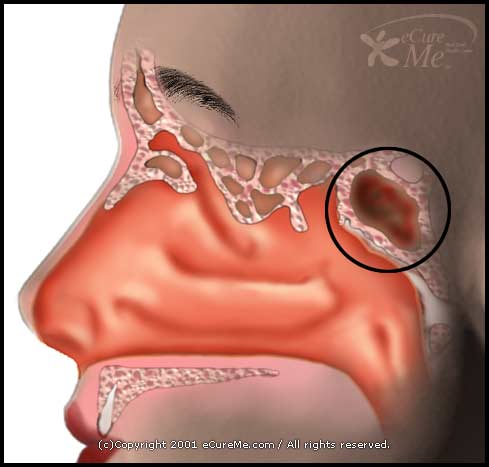
If you felt bad or congested, waking with a headache, and a notice swelling around the eyes, it is possible that the sinusitis. Sinusitis can be uncomfortable and even painful at times, but usually not serious.
What is sinusitis?


Sinusitis is the medical term for inflammation (irritation and swelling) of the sinuses. It is usually caused by infection.


The sinuses are moist air spaces in the bones of the face near the nose. The frontal sinuses are in the area near the eyebrows, the maxillary sinuses are located inside the cheekbones, Ã…re ethmoid sinuses between the eyes and the sphenoid sinuses sit behind the ethmoid sinuses.


When we are healthy, our sinuses are filled with air, making our facial bones less dense and much lighter in weight. Sinuses also play a role in how our voices sound.


Infection by viruses or bacteria – or a combination of both – sinusitis can cause. Normally, someone with a cold also has inflammation of the sinuses. This is viral sinusitis. Allergies can also lead a person to develop sinusitis.


When nasal congestion (weight) associated with the common cold or allergies does not allow the sinuses to drain properly, bacteria can become trapped inside the sinuses, leading to bacterial sinusitis.


Bacterial sinusitis tends to make a sick person the impression that the viral sinusitis. Someone with bacterial sinusitis usually will have more pain and swelling of the face of someone with viral sinusitis, and can also develop a fever.
The signs and symptoms of sinusitis


Some of the signs that someone may have bacterial sinusitis are:


* A stuffy or runny nose with a cough lasting 10 days to 14 days or more without improvement
* Discharge of mucus from the nose (which can produce both viral and bacterial, but the discharge continued thick sinusitis is more likely that bacterial sinusitis)
* The persistence of pain or swelling around the eyes
* Tenderness or pain in or around the cheekbones
* A feeling of pressure in the head
* A headache when you wake up in the morning or at the address above
* Bad breath even after brushing teeth
* Pain in the upper teeth
* A fever over 102 degrees Fahrenheit (39 Celsius)


Some people also have dry cough and difficulty sleeping. Others were nausea or upset stomach.


Although several of these symptoms are similar to those available from the virus or allergic rhinitis, sinusitis (inflammation of the nose and sinuses due to allergy), it’s a good idea to see your doctor if. Viral sinusitis and allergic rhinitis are more common, but often bacterial sinusitis should be treated with antibiotics, and can not get these with a doctor’s prescription.
How is it treated?


If your doctor prescribes antibiotics for bacterial sinusitis, you may need to take up to 3 weeks. Your doctor will also prescribe a decongestant in May to all forms of sinusitis. If your sinusitis is the result of allergies, your doctor may recommend that you take an antihistamine every day too.
Can I prevent sinusitis?


You can reduce your risk of getting sinusitis by making some simple changes in their environment. Try using a humidifier during stop cold dry air from irritating your sinuses, which may render them more vulnerable to infection. Clean the humidifier regularly because mold, which can trigger allergies in some people, forms easily in moist environments.


If you have allergies, make an extra effort to control them, because they can make a person more vulnerable to developing a sinus infection.


Although sinusitis is not contagious, which in turn, is often preceded by a cold, which may extend to family members and friends. The most effective way to prevent the spread of germs is to wash hands frequently and thoroughly. Avoid scarves, and try to stay out of the line of fire when someone sneezes.
What can I do to feel better?


If your doctor has prescribed antibiotics or other medications, be sure to follow the instructions carefully. Sinusitis can be difficult to remove and can return if it is not the first time. Even if you feel better, it is important to continue taking antibiotics until the completion of their course prescribed by your doctor. This helps to kill all the bacteria causing the infection.


Get plenty of rest and fluids to the body’s immune system can work with antibiotics to fight infection.


Taking ibuprofen or acetaminophen can help relieve pain and inflammation. A cold mist humidifier to relieve your sinuses May. Warm compresses usually help with facial pain. Some doctors suggest saline (salt base) non-prescription nose drops to keep nasal passages moist.


The most important thing to remember about sinusitis, although the odds are of the type that is not serious, it is always important to consult a doctor. Doing so in turn has a bacterial infection, treatment can help prevent the spread of infection or ill, and help you more quickly.